 Skip to content

In both industrial and marine operations, the safety and reliability of anchor systems are paramount. The swivel forerunner is an essential component used in anchor chain systems to ensure smooth operations and prevent twists in the chain or mooring lines.
For professionals in marine engineering, offshore operations, and industrial lifting, understanding the importance, advantages, and applications of swivel forerunners can improve operational efficiency, safety, and reduce equipment wear.
This article explores the function of swivel forerunners, their benefits, common applications, and essential maintenance practices.
What is a Swivel Forerunner?
A swivel forerunner is a key device in marine and offshore anchor systems. It is designed to prevent chain twisting and ensure smooth, uninterrupted motion of the anchor chain or mooring line during deployment or retrieval. Installed at the leading end of the anchor chain, it serves to reduce friction and distribute the load evenly across the system, improving the overall performance and longevity of the anchoring equipment.
Swivel forerunners are critical in ensuring that the anchor system operates smoothly and effectively, particularly in dynamic maritime environments where constant forces like wind, tides, and waves are at play.
Key Features of Swivel Forerunners
● High Load Capacity: Swivel forerunners are designed to handle significant load-bearing requirements, ensuring the safe anchoring of vessels.
● Anti-Twist Function: The primary function of the swivel forerunner is to prevent the anchor chain or mooring line from twisting, which can lead to malfunction or equipment failure.
● Durable Materials: Typically made from high-strength steel or corrosion-resistant alloys, swivel forerunners are designed to withstand harsh marine environments.
● Compatibility: These devices are compatible with various anchor chains, whether for commercial shipping, offshore platforms, or industrial applications.
● Ease of Installation and Maintenance: Swivel forerunners are engineered for easy installation and maintenance, ensuring minimal downtime during anchor operations.
Benefits of Using a Swivel Forerunner
Integrating a swivel forerunner into anchor chain systems offers several key operational benefits:
1. Prevents Anchor Chain Damage
The continuous twisting of anchor chains can result in wear, corrosion, and eventual failure. The swivel forerunner prevents this by allowing the chain to rotate freely without resistance, reducing stress on the chain and ensuring its longevity.
2. Improves Operational Efficiency
A smooth and uninterrupted anchor retrieval or deployment process is crucial for efficiency, especially in high-volume commercial shipping or offshore drilling operations. The swivel forerunner allows for quicker and safer anchoring and mooring, minimizing operational delays.
3. Increases Safety
By preventing twisting, the swivel forerunner reduces the risk of anchor chain malfunctions or equipment damage. This, in turn, enhances the safety of the vessel and crew during anchoring operations.
4. Reduces Maintenance Costs
With proper use of a swivel forerunner, the wear and tear on the anchor chain and other components of the mooring system are minimized. This reduces the frequency of maintenance and part replacements, lowering long-term operational costs.
5. Adaptability to Harsh Environments
Swivel forerunners are designed to endure extreme weather conditions, whether it’s the saltwater of the ocean, high winds, or the demands of heavy-duty industrial applications. Their robust design ensures continuous performance even under the toughest circumstances.

Common Applications of Swivel Forerunners
The swivel forerunner is used in various industries, particularly where reliable and safe anchor systems are required:
1. Commercial Shipping
For commercial vessels, a swivel forerunner is crucial for ensuring smooth anchoring and safe docking, especially during routine port arrivals or departures.
2. Offshore Oil and Gas Platforms
In offshore environments, where constant wave motion and changing wind conditions can exert significant pressure on anchoring systems, swivel forerunners are vital to maintain the integrity of mooring lines.
3. Marine Construction
For marine construction, such as the installation of subsea infrastructure or floating platforms, swivel forerunners are integral in maintaining the stability of the operation and ensuring that mooring lines are secure.
4. Industrial Lifting Operations
Swivel forerunners are also used in lifting operations that require the smooth movement of heavy loads. They help prevent twisting and ensure that chains or cables operate without friction or damage.
5. Fishing and Aquaculture
Swivel forerunners are used to secure mooring lines in the aquaculture industry, especially in offshore fish farms. They allow for secure and flexible mooring systems that can withstand the pressures of ocean currents.
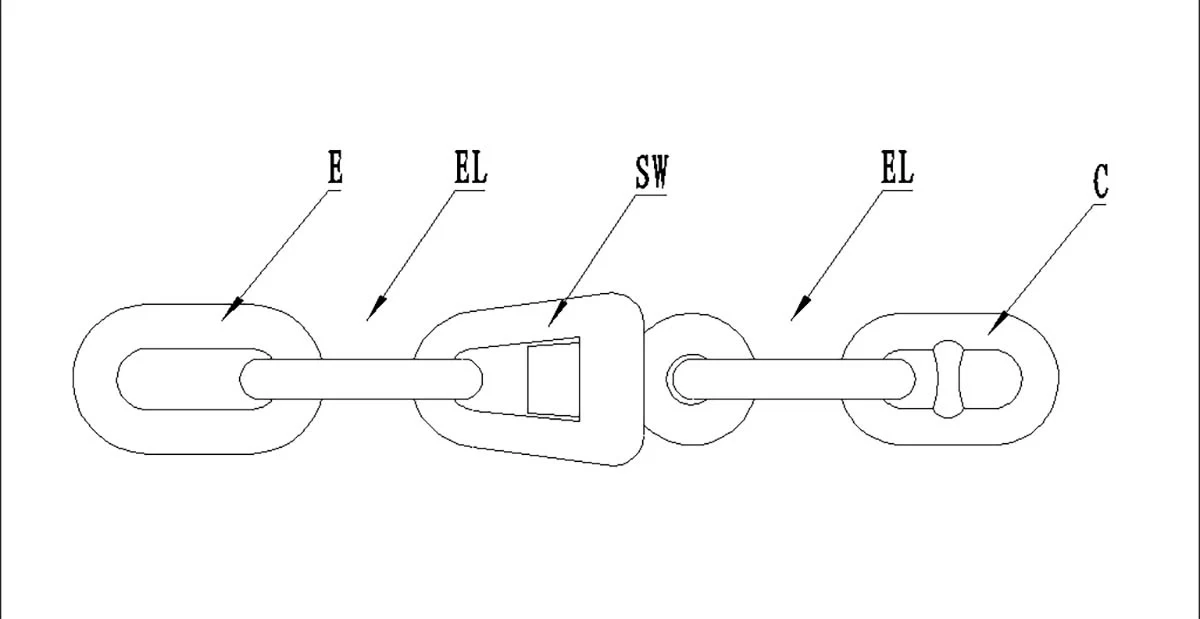
How to Choose the Right Swivel Forerunner
Selecting the correct swivel forerunner depends on several factors:
1. Chain Compatibility
Ensure that the swivel is compatible with the diameter and grade of the anchor chain. The forerunner must be capable of handling the load ratings of the system it is designed for.
2. Material Strength
Consider the material and coatings used in the swivel forerunner. For offshore and marine applications, corrosion-resistant alloys such as stainless steel or galvanized materials are preferred for their ability to withstand harsh saltwater conditions.
3. Load Capacity
Choose a swivel forerunner with a working load limit (WLL) that exceeds the expected loads and forces it will encounter in operation.
4. Certification and Compliance
Verify that the swivel forerunner meets relevant industry standards and certifications, including those required by classification societies such as ABS, LR, and BV.
5. Ease of Maintenance
Select a swivel forerunner that can be easily maintained, with features that allow for straightforward inspection, lubrication, and replacement when necessary.
Maintenance Tips
Proper maintenance of a swivel forerunner ensures its longevity and performance:
● Inspection: Regularly inspect the swivel for wear, corrosion, or damage.
● Lubrication: Apply lubricant to the moving parts to reduce friction and wear.
● Cleaning: Clean after exposure to saltwater or harsh chemicals to remove debris and prevent corrosion.
● Replacement: If the swivel is damaged or shows signs of excessive wear, it should be replaced immediately to avoid failure during operation.
Company Introduction: Choose WAC
Qingdao Wancheng Anchor Chain Co., Ltd. (WAC), founded in 2006, specializes in the production of high-quality marine anchor chains and mooring equipment. The company offers anchor chains ranging from 16mm to 122mm in diameter, certified by international classification societies such as ABS, LR, and BV. These products are widely used in shipbuilding, offshore platforms, and deep-sea aquaculture.
WAC provides customized solutions for various anchoring systems, including hydraulic, pneumatic, and electric configurations. With strong technical support and high-quality products, WAC ensures reliable and durable products that help clients improve safety, efficiency, and operational stability in marine environments.
Conclusion
The swivel forerunner is a critical component in marine and industrial anchoring systems, ensuring smooth operation and preventing chain twisting. By selecting the right swivel forerunner and maintaining it properly, vessel operators can enhance safety, reduce maintenance costs, and improve operational efficiency. For B2B buyers, investing in high-quality swivels from trusted suppliers like WAC ensures long-term reliability and operational safety.
FAQ
Q1: What is the purpose of a swivel forerunner?
A swivel forerunner prevents anchor chain twisting and distributes load evenly, ensuring smooth and safe operation.
Q2: Can swivel forerunners be used in marine environments?
Yes, they are designed for use in harsh marine environments and are corrosion-resistant.
Q3: How do I choose the right size swivel forerunner?
Select a swivel that matches the anchor chain’s diameter and load requirements.
Q4: How often should a swivel forerunner be maintained?
Regular inspection and lubrication are necessary to ensure long-term performance and avoid operational failure.

 English
 Chinese
 Spanish
 Arabic
 Japanese
 Korean
 Russian
 Portuguese