
Environment
Photovoltaic Power Generation Projects
To reduce our operational carbon footprint and accelerate our energy transition, we have made substantial investments in photovoltaic (PV) power generation projects.
Qingdao Wancheng Anchor Chain Co., Ltd. actively supports China’s “dual carbon” goals and sustainable development agenda by launching a photovoltaic (PV) power generation project in 2021. The initiative was implemented in two phases. Phase I, completed in August 2021, has an installed capacity of 1,383 kW. Phase II, connected to the grid in September 2024, adds another 951 kW, bringing the total installed capacity to 2,334 kW.
The project generates approximately 3 million kWh of clean electricity annually, equivalent to an estimated annual carbon emissions reduction of 1,756.8 tons, based on China’s 2022 average grid emission factor of 0.5856 kg CO₂e/kWh.
The PV system not only supplies part of the company’s production power needs and lowers energy costs, but also improves energy self-sufficiency through a self-generation and self-consumption model. Phase I is now operating stably, with a generation efficiency exceeding 95%, while Phase II utilizes high-efficiency monocrystalline silicon modules to further boost conversion efficiency and overall performance.
As a manufacturer of ship anchor chains, the company’s rooftop photovoltaic (PV) project showcases its commitment to green and intelligent manufacturing. The project has received local government subsidies and secured a grid connection agreement with the State Grid, ensuring a stable power supply. Looking ahead, the company plans to expand the project in three phases, with the goal of achieving full rooftop coverage.
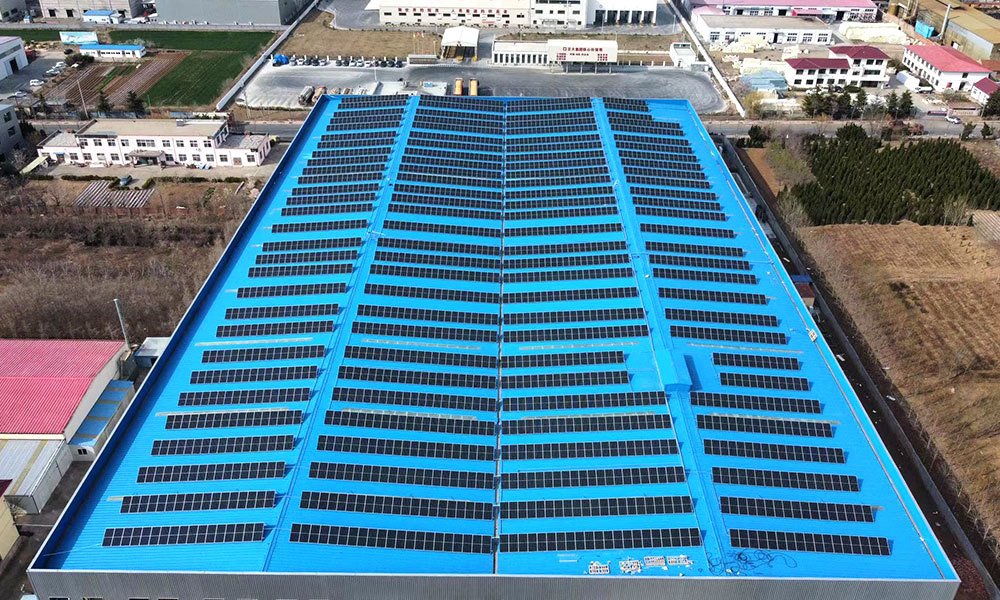
Photovoltaic Project (Phase I): Kickstarting the Green Energy Transition
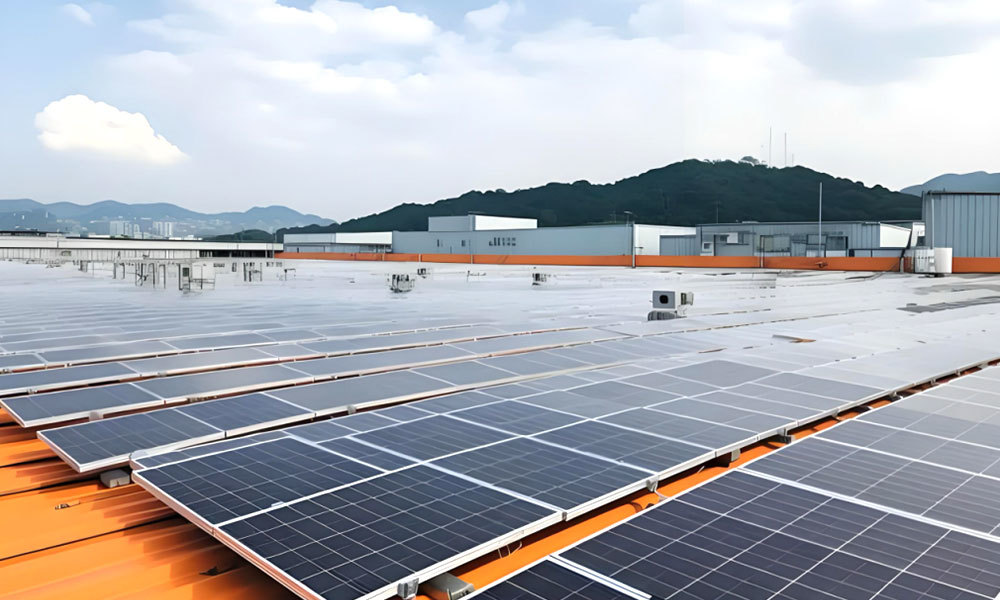
Photovoltaic Project (Phase II): Expanding the Clean Power Footprint
Environmentally Friendly Water-Based Paints
To protect employee health and minimize environmental impact, we have completed a full transition of our production line from oil-based to eco-friendly water-based paints.
Qingdao Wancheng Anchor Chain Co., Ltd. launched a technical upgrade project in 2023 to transition from oil-based to water-based paints, with the goal of reducing volatile organic compound (VOC) emissions and minimizing environmental pollution. The project covers the company’s anchor chain surface treatment production line and adopts eco-friendly, odorless water-based paint formulations that significantly reduce exposure to harmful substances such as toluene, achieving a reduction of more than 90% in VOC emissions.
Following the upgrade, the production process became cleaner and more sustainable. Water-based paints contain no heavy metal solvents, which simplifies wastewater treatment and ensures compliance with national environmental standards (GB/T 35602-2017).
The project has delivered tangible environmental and operational benefits, including an annual reduction of approximately 5 tons of VOC emissions, a 30% decrease in PM2.5 concentration in the workshop, and improved workplace air quality. Moreover, the enhanced environmental performance of the products now aligns with EU REACH regulatory requirements, significantly strengthening the company’s competitiveness in international markets.
Our company is committed to green manufacturing. This project is part of its efforts to support the national “dual carbon” goals and has successfully passed third-party environmental monitoring, achieving a 100% emissions compliance rate.
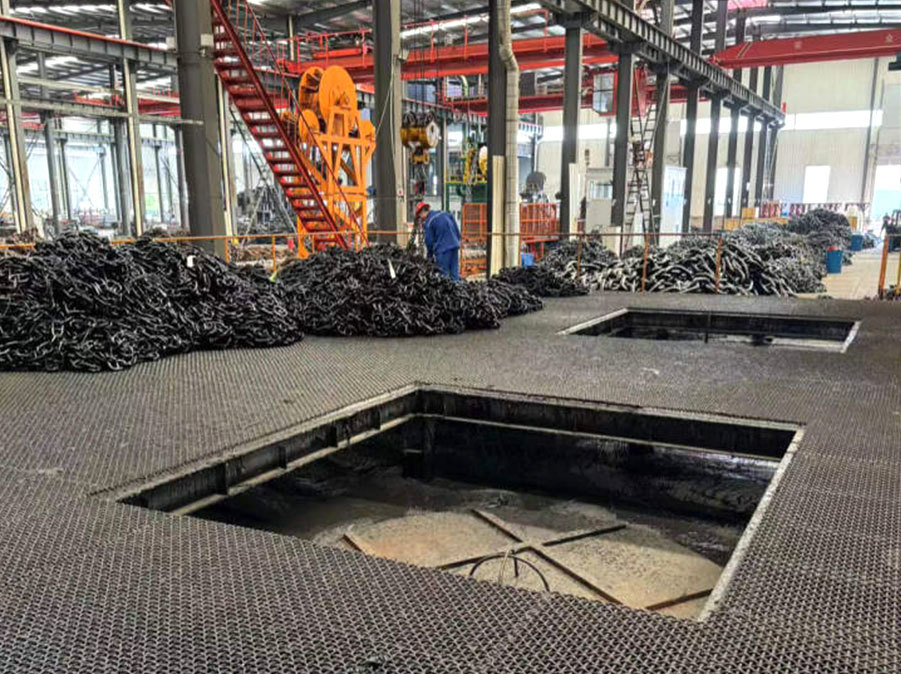
Water-Based Paint Conversion: Building a Cleaner Production Environment
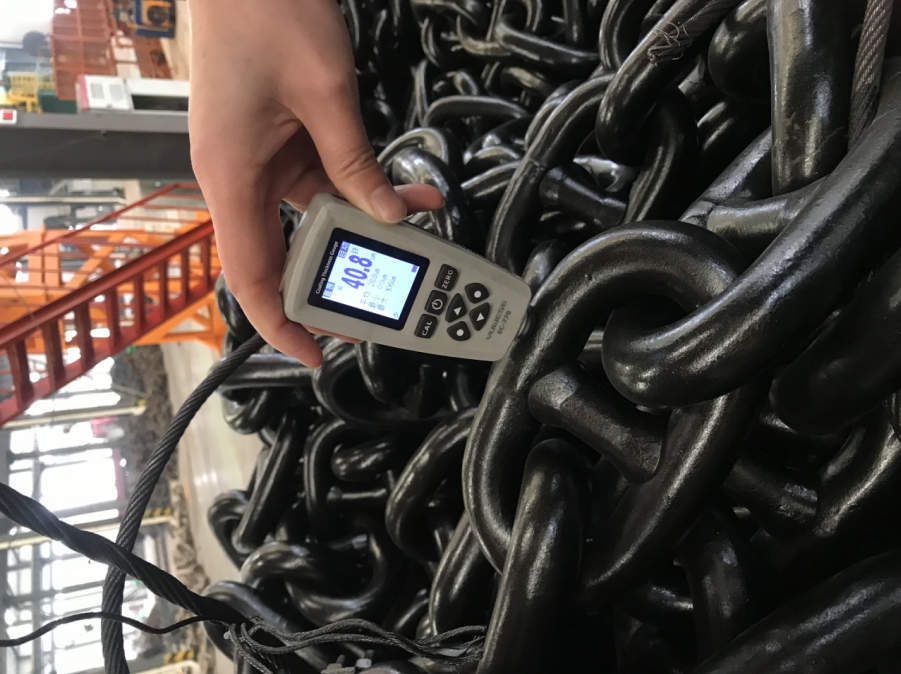
Strict Quality Control: Ensuring the Environmental Performance and Quality of Water-Based Paints
Digital/Smart Transformation
We leverage digitalization and intelligent technologies as key drivers to advance green and efficient smart manufacturing.
Qingdao Wancheng Anchor Chain Co., Ltd. launched an intelligent workshop upgrade project in partnership with XCMG Group in 2020. As part of this initiative, the company introduced a Manufacturing Execution System (MES) to enable computer-based task scheduling and mobile reporting by workers. The system automatically collects equipment power consumption data during reporting, allowing for more efficient energy management.
In 2022, the company made further investments by upgrading the power control system of its RGBT medium-frequency electric furnaces, resulting in electricity savings of 15%–20%. In addition, a Supervisory Control and Data Acquisition (SCADA) system was implemented to enable equipment interconnection, real-time operational monitoring, and automated data collection. The system also facilitated the full integration of renewable energy sources, such as photovoltaic power, achieving a 100% renewable energy utilization rate.
Following these upgrades, production efficiency increased by 25%, equipment failure rates dropped by 30%, and labor costs were significantly reduced.
As a high-tech anchor chain manufacturer, the company has advanced its green and intelligent transformation by integrating ERP (Enterprise Resource Planning), CRM (Customer Relationship Management), and MES (Manufacturing Execution System) systems into its operations.
Future Improvement Plan:
- Introduce the ISO 50001 Energy Management System (EnMS) framework to establish a closed-loop cycle of target setting, baseline establishment, action implementation, and performance review, integrated with internal audits. By adopting a standardized implementation approach, we significantly enhance the effectiveness and efficiency of continuous energy-saving improvements.
- Develop energy dashboards (shift, daily, and weekly) to monitor high-energy-consuming equipment such as electric furnaces, heat treatment furnaces, and air compressor stations as key focus points. Link energy efficiency KPIs directly to performance evaluations to drive accountability and continuous improvement.
- Integrate SCADA data with the carbon accounting system to enable automated collection of Scope 1 and Scope 2 emissions, directly supporting the full MRV (Monitoring–Reporting–Verification) process.
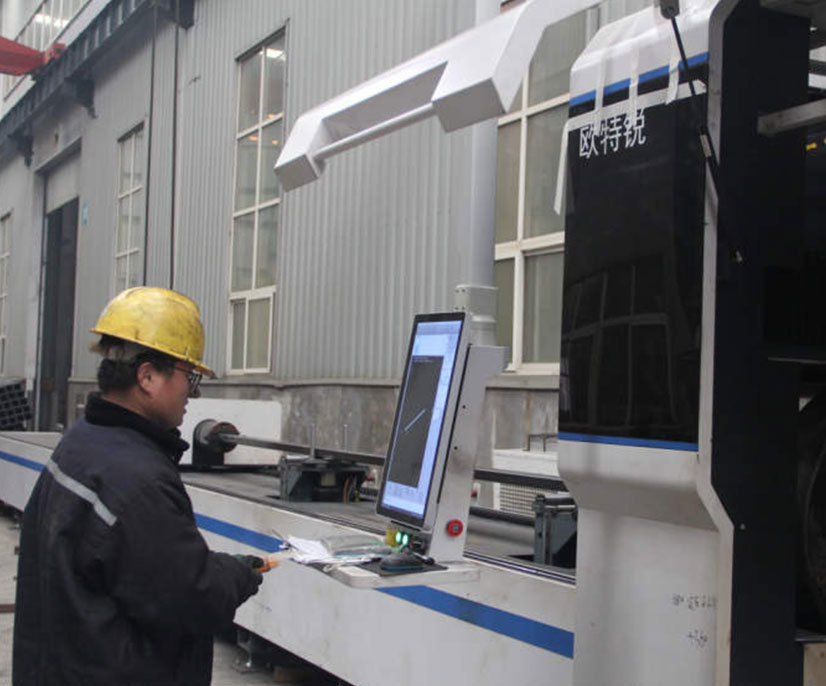
Intelligent Control Center: Driving production decisions through digitalization and continuously enhancing automated production control capabilities
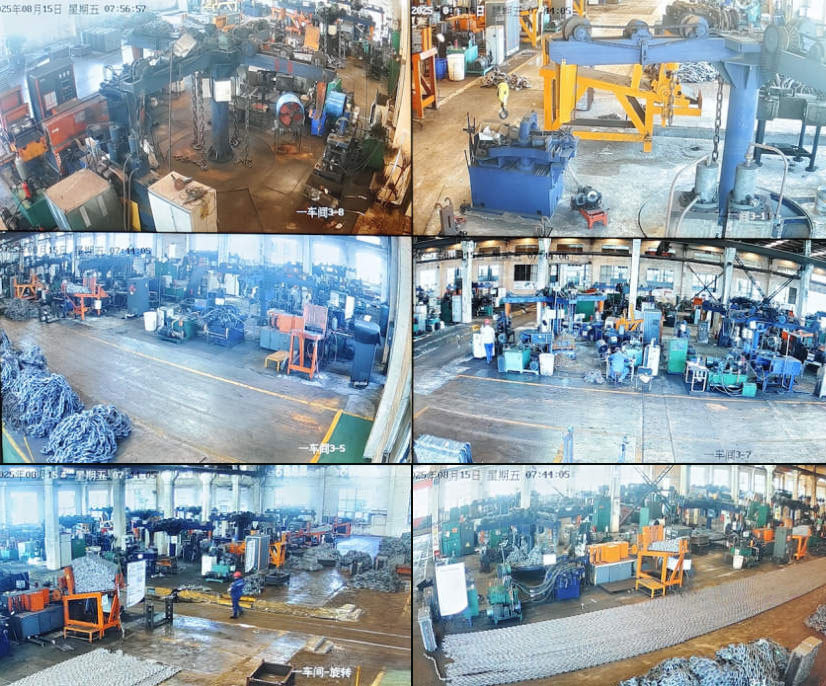
SCADA System: Enabling real-time monitoring and collection of equipment data
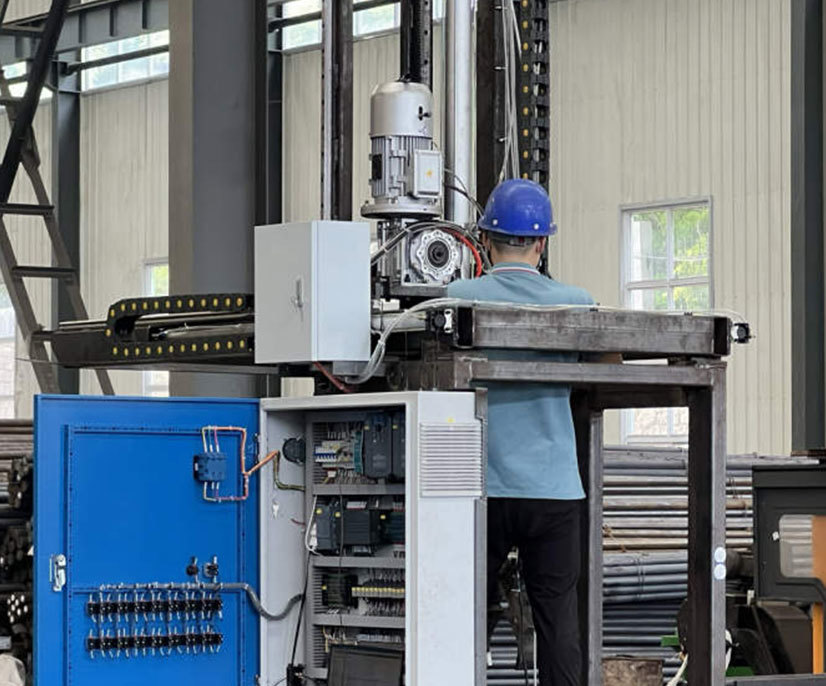
Core Equipment Upgrades: Boosting energy efficiency and quality through automation
Promote a circular economy and reduce plastic pollution
We leverage digitalization and intelligent technologies as key drivers to advance green and efficient smart manufacturing.
We are dedicated to minimizing resource consumption and reducing our environmental footprint through circular economy practices. Our scrap steel recycling program achieves a recovery rate of 95%, cutting annual demand for virgin steel by approximately 500 tons through smelting and reprocessing—equivalent to reducing carbon dioxide emissions by around 925 tons per year. As part of our plastic reduction initiative, we have replaced traditional plastic packaging with recyclable steel strapping and wooden pallets, lowering annual plastic consumption by 50% (approximately 2 tons). We have also committed to achieving zero plastic packaging by 2030. To support these efforts, we have established a comprehensive waste monitoring and recycling system to ensure that all production waste is properly collected, classified, and treated in full compliance with national regulations and environmental standards.
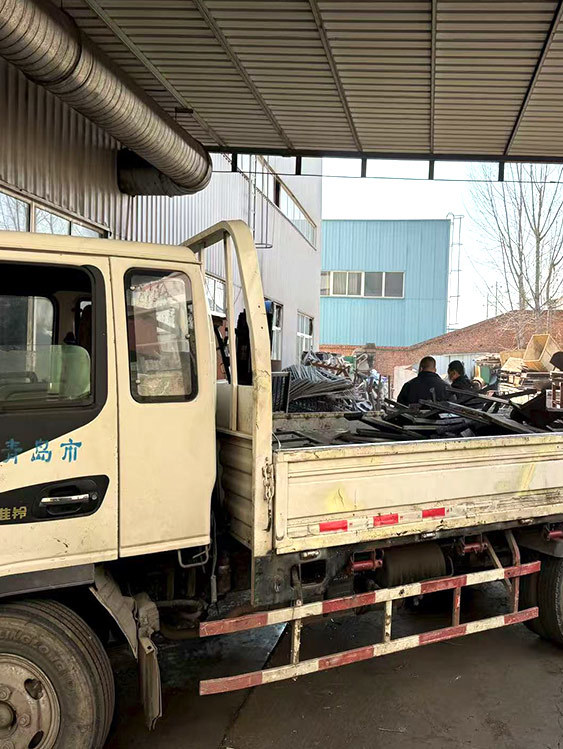
Scrap Steel Recycling and Reuse: Achieving a 95% Closed-Loop Cycle
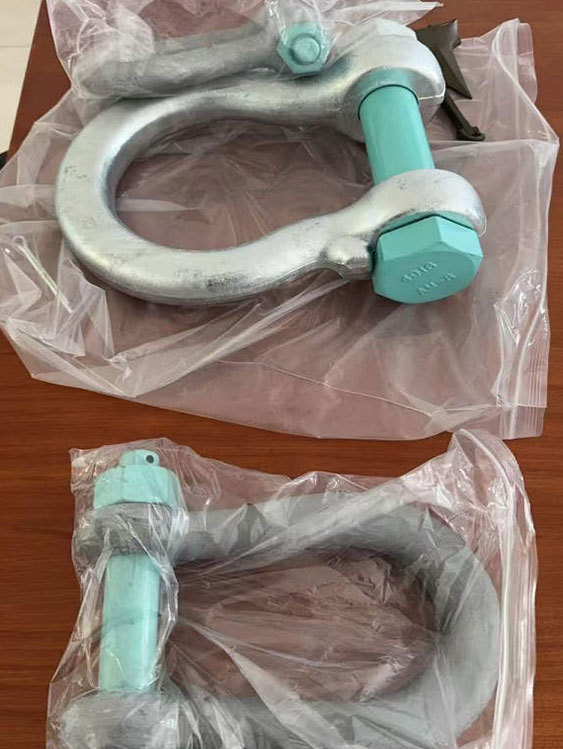
Scrap Steel Recycling and Reuse: Achieving a 95% Closed-Loop Cycle
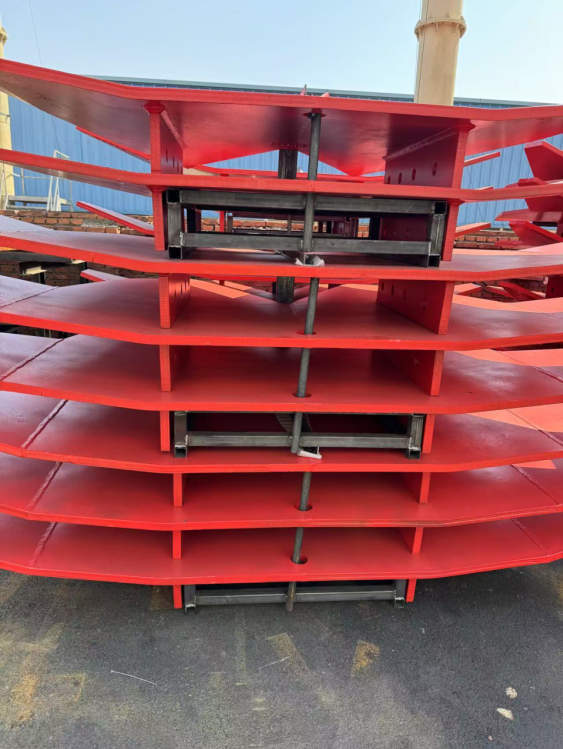
Packaging Material Innovation: Replacing Plastic Film with Steel Tape

 English
 Chinese
 Spanish
 Arabic
 Japanese
 Korean
 Russian
 Portuguese