 перейти к содержанию

In modern lifting, rigging, and marine systems, reliable connections are just as important as the strength of the main components. A single weak link can compromise the safety of an entire operation, which is why engineered connectors play a critical role in industrial applications. Among these connectors, the joining shackle is widely used to connect chains, ropes, and rigging elements in a secure and controlled manner.
For engineers, procurement teams, and equipment operators, understanding how a joining shackle works and how it performs under load is essential for ensuring safe and efficient operations.
Understanding the Role of a Joining Shackle
А joining shackle is a mechanical connector designed to link two components together, most commonly chain segments or rigging systems. It provides a detachable yet secure connection point, allowing flexibility in assembly while maintaining structural integrity under load.
Unlike permanent connections such as welding, a joining shackle allows for easy installation, removal, and replacement. This makes it particularly valuable in applications where equipment must be frequently assembled, adjusted, or maintained.
Functional Purpose in Load Systems
In any load-bearing system, forces must be transferred smoothly between components. A joining shackle ensures that this transfer happens without introducing stress concentrations or misalignment.
● It connects chain links or rigging components while maintaining load continuity
● It allows slight movement to accommodate dynamic forces
● It reduces the risk of twisting or uneven loading
● It provides a controlled point for disassembly and inspection
Because of these functions, the joining shackle is not just a connector, but a critical safety element.
Structural Design and Key Components
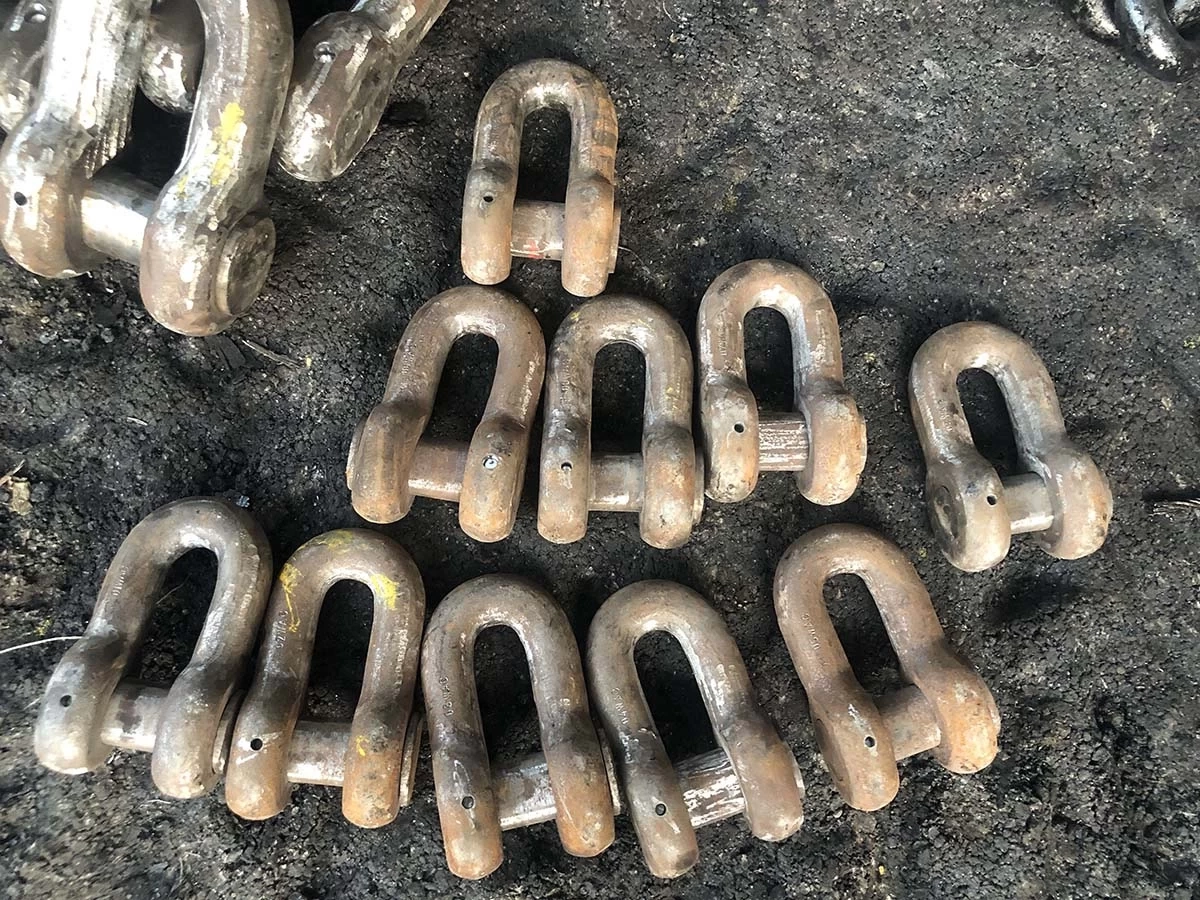
The design of a joining shackle is engineered to balance strength, durability, and ease of use. While there are variations, most joining shackles share a common structural concept.
Main Components
● Body (Bow or D Shape)
The main frame that carries the load and determines the overall strength of the shackle
● Pin or Bolt Mechanism
The removable part that secures the connection, available in screw pin, bolt-type, or safety pin configurations
● Locking System
Depending on the design, this may include cotter pins, nuts, or threaded locking to prevent accidental release
The geometry of the shackle body is designed to distribute load evenly, reducing stress points and increasing fatigue resistance.
Material Selection and Manufacturing Process
The performance of a joining shackle depends heavily on the materials used and the manufacturing process.
● High-strength carbon steel is commonly used for general applications
● Alloy steel is preferred for heavy-duty and lifting operations
● Stainless steel is used in corrosive environments such as marine or chemical industries
Manufacturing typically involves forging, which enhances the internal grain structure of the metal and improves strength. Heat treatment is then applied to achieve the required mechanical properties, including tensile strength and toughness.
Surface treatments such as galvanization or coating are often added to improve corrosion resistance and extend service life.
Types of Joining Shackles and Their Uses
Different types of joining shackles are designed for specific applications, depending on load direction and operational requirements.
Common Variants
● D-Shackle (Chain Shackle)
Suitable for straight-line loads and commonly used in chain connections
● Bow Shackle (Anchor Shackle)
Provides a wider shape for handling multi-directional loads
● Bolt-Type Shackle
Used in permanent or critical applications where additional security is required
● Screw Pin Shackle
Designed for quick assembly and disassembly in temporary setups
Each type offers different advantages, and selecting the correct one depends on the application environment and load conditions.

Industrial Applications of Joining Shackles
The joining shackle is used across a wide range of industries due to its versatility and reliability.
● In lifting and rigging systems, it connects chains, slings, and hooks for load handling
● In marine applications, it is used in anchor chains and mooring systems
● In construction, it supports heavy lifting and structural assembly
● In transportation, it assists in securing cargo and connecting load-binding systems
● In energy and offshore sectors, it is used in high-load environments where safety is critical
Its ability to provide both strength and flexibility makes it indispensable in these sectors.
Key Factors in Selecting a Joining Shackle
Choosing the right joining shackle requires a clear understanding of operational requirements and safety considerations.
● Working Load Limit (WLL)
Always select a shackle with a load rating higher than the expected load
● Load Direction
Ensure the shackle type matches the direction and distribution of forces
● Material and Coating
Select materials suitable for the operating environment, especially in corrosive conditions
● Size Compatibility
Ensure proper fit with chains, ropes, or rigging components
● Safety Requirements
For critical applications, use shackles with secure locking mechanisms
Careful selection helps prevent equipment failure and ensures long-term reliability.
Inspection and Maintenance Practices
Regular inspection and maintenance are essential to ensure the safe use of joining shackles.
● Check for visible deformation, cracks, or wear before each use
● Inspect the pin and locking mechanism for proper function
● Clean and lubricate threads to prevent seizure
● Avoid side loading, which can reduce strength and cause failure
● Replace any shackle that shows signs of damage or excessive wear
Following these practices helps maintain safety and extend service life.
Company Introduction: Choose ВААК
Qingdao Wancheng Anchor Chain Co., Ltd. (WAC), established in 2006, specializes in the production of high-quality marine anchor chains and mooring equipment. The company provides products ranging from 16mm to 122mm in diameter, certified by international classification societies such as ABS, LR, and BV.
WAC products are widely used in shipbuilding, offshore platforms, and deep-sea aquaculture. With strong engineering capabilities and strict quality control, WAC offers reliable and customized solutions for industrial and marine applications.
Why Joining Shackles Are Critical in System Design
In many systems, the reliability of the entire structure depends on connection points. A high-quality joining shackle ensures that loads are transferred safely between components without introducing weak points.
For B2B buyers, investing in properly designed and certified shackles reduces operational risk, improves safety compliance, and supports efficient system integration. In large-scale projects, even small components like shackles can have a significant impact on overall performance.
Заключение
The joining shackle is a fundamental component in modern industrial and marine systems, providing a secure and flexible connection between load-bearing elements. Its design, material quality, and correct application determine its effectiveness and safety.
By understanding its structure, selecting the right type, and maintaining it properly, businesses can ensure reliable performance and reduce operational risks. Working with experienced manufacturers further enhances product quality and long-term value.
Часто задаваемые вопросы
Q1 What is a joining shackle used for
It is used to connect chains, ropes, and rigging components in load-bearing systems
Q2 What is the difference between D-shackle and bow shackle
D-shackles are for straight loads, while bow shackles handle multi-directional loads
Q3 Can joining shackles be used in marine environments
Yes, especially when made from corrosion-resistant materials
Q4 How often should joining shackles be inspected
They should be inspected before each use and regularly during operation

 Russian
 English
 Chinese
 Spanish
 Arabic
 Japanese
 Korean
 Portuguese