
Testing Capacity
Testing Capacity
Types of Test Projects
Inspection & Testing Equipment (ITE)
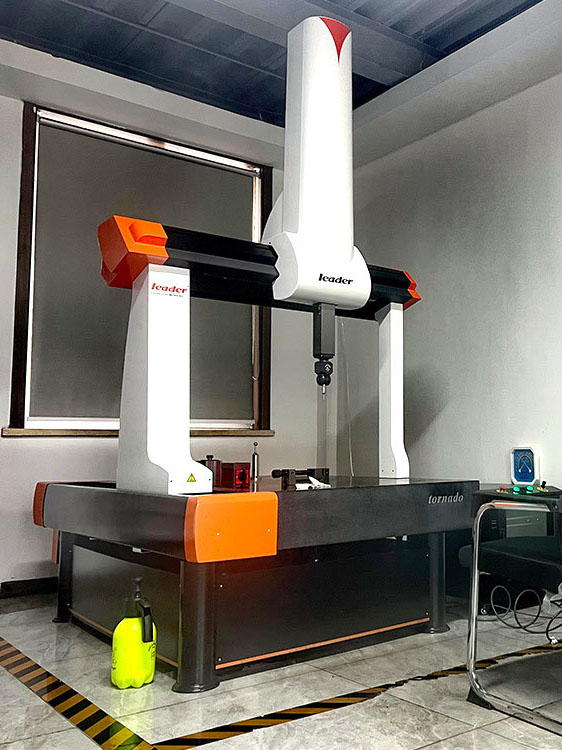
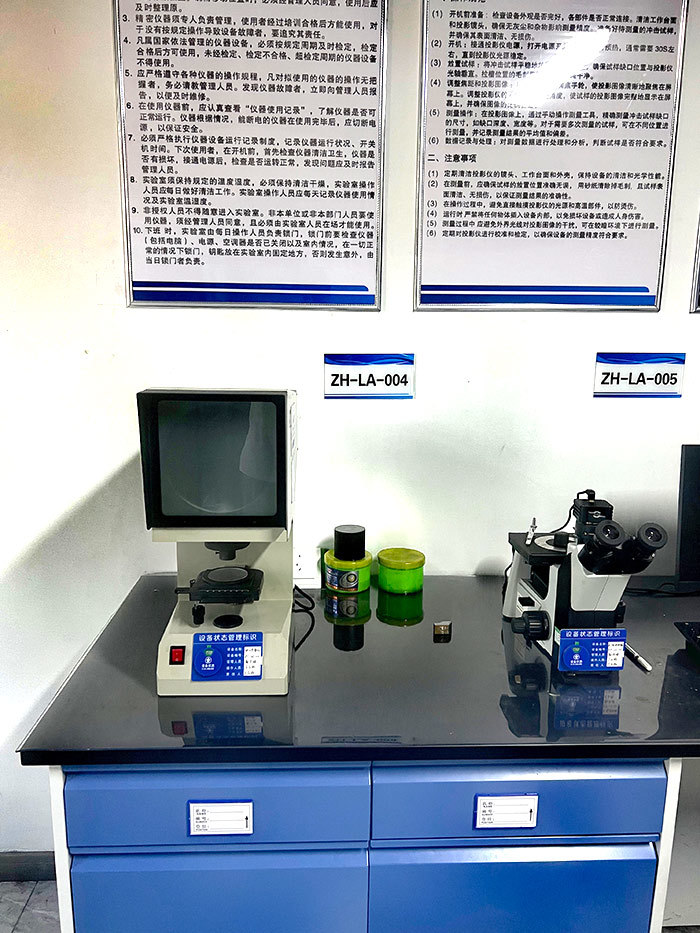


Our laboratory is capable of conducting a full suite of key inspection and testing items mandated by the standards of international and domestic classification societies (e.g., CCS, ABS, LR, DNV). We provide full-process support for raw material qualification, inOur laboratory is capable of conducting a full suite of key inspection and testing items mandated by the standards of international and domestic classification societies (e.g., CCS, ABS, LR, DNV). We provide full-process support for raw material qualification, in-process monitoring, and finished product verification:
1.Composition Traceability
Chemical Composition Analysis: Utilizing advanced equipment such as direct-reading spectrometers, we conduct high-precision quantitative chemical analysis of raw materials and finished products. This ensures the material composition fully meets the specification requirements (e.g., strict control of key elements including C, Mn, Si, S, and P).
2. Mechanical Performance Verification
- Tensile Testing: Conducted on high-tonnage universal testing machines (UTM) to precisely determine key material properties such as tensile strength, yield strength, and elongation. This verifies load-bearing capacity and forms the basis for confirming Minimum Breaking Load (MBL).
- Impact Testing: Performed using pendulum impact testing machines at specified low temperatures (e.g., -20°C, -40°C) to measure the material’s impact toughness (V-notch or U-notch) and evaluate its resistance to brittle fracture in harsh environments.
- Flexure Testing: Assesses material plasticity and process adaptability to ensure resistance to cracking during forming and service.
- Hardness Testing: Utilizes Brinell, Rockwell, or Vickers hardness testers to rapidly evaluate surface and core hardness uniformity, indirectly reflecting material strength and heat treatment effectiveness.
3. Insights into the Microstructure
Metallographic Analysis: Utilizing metallographic microscopes and image analysis systems, we examine the microstructure of materials (grain size, phase composition, inclusion rating). This enables precise assessment of heat treatment effectiveness (e.g., hardenability, tempering adequacy) and diagnosis of potential failure causes.
4. Non-Destructive Testing (NDT) – MT/UT/PT
- Magnetic Particle Testing (MT): Efficiently detects surface and near-surface defects in ferromagnetic materials, such as cracks, lap folds, and inclusions. Widely applied in post-weld inspection of chain links and accessories.
- Ultrasonic Testing (UT): Utilizes high-frequency sound waves to detect internal defects such as cracks, porosity, inclusions, and lack of fusion. With its deep penetration and precise localization, it is a critical method for ensuring internal quality.
5. Ultimate Strength Verification
Breaking Test: Performed on dedicated anchor chain tensile testing machines, this test includes proof load testing and destructive breaking testing on full-scale chain links or accessories. It serves as the ultimate step in verifying the actual breaking load, elongation, and failure mode of the anchor chain, ensuring it meets and exceeds the safety requirements of classification societies.
Professional Team: Guardians and Interpreters of Data
- Our testing engineers have undergone rigorous professional training and assessment, holding relevant national certifications (e.g., Non-Destructive Testing Personnel Qualification Certificates).
- They are not only proficient in equipment operation but also possess a deep understanding of materials science, mechanical performance, and failure analysis principles. This enables them to accurately interpret experimental data, identify potential risks, and provide scientific foundations for quality improvement.
- We strictly adhere to laboratory management systems to ensure the standardization, traceability, and accuracy of the testing process, as well as the impartiality of results.
Authoritative Recognition, Commitment to Quality
- The laboratory operates in strict compliance with international laboratory management standards such as ISO/IEC 17025.
- All inspection and testing equipment is regularly calibrated or verified by national statutory metrology institutions to ensure accurate and reliable measurement traceability.
- Test reports are formatted to industry standards and contain detailed data, serving as authoritative proof of product quality to meet classification society certifications and customer requirements.
Choosing Wancheng Anchor Chain means gaining more than just products—it means securing:
- Quality Confidence Based on Scientific Testing: Every batch of materials, each critical process, and every finished product undergoes rigorous testing, with data speaking for their quality.
- Technologically Advanced Assurance Capabilities: Comprehensive and high-precision testing methods ensure no hidden issues go undetected.
- Rapid Internal Support: Our in-house laboratory ensures efficient testing, shortens delivery times, and accelerates problem analysis and resolution.
- Transparent and Traceable Quality Records: Detailed test reports provide reliable documentation for the entire product lifecycle.
- Compliance Assurance Meeting High Standards: We meet and exceed testing requirements set by classification societies and international specifications.
The Wancheng Anchor Chain Testing Center is the scientific cornerstone for the superior performance and safety reliability of your anchor chain products. Equipped with precision instruments, rigorous work ethics, and professional expertise, we examine every detail, anchor uncompromising quality, and safeguard your every voyage
-process monitoring, and finished product verification:
1.Composition Traceability
Chemical Composition Analysis: Utilizing advanced equipment such as direct-reading spectrometers, we conduct high-precision quantitative chemical analysis of raw materials and finished products. This ensures the material composition fully meets the specification requirements (e.g., strict control of key elements including C, Mn, Si, S, and P).
2. Mechanical Performance Verification
- Tensile Testing: Conducted on high-tonnage universal testing machines (UTM) to precisely determine key material properties such as tensile strength, yield strength, and elongation. This verifies load-bearing capacity and forms the basis for confirming Minimum Breaking Load (MBL).
- Impact Testing: Performed using pendulum impact testing machines at specified low temperatures (e.g., -20°C, -40°C) to measure the material’s impact toughness (V-notch or U-notch) and evaluate its resistance to brittle fracture in harsh environments.
- Flexure Testing: Assesses material plasticity and process adaptability to ensure resistance to cracking during forming and service.
- Hardness Testing: Utilizes Brinell, Rockwell, or Vickers hardness testers to rapidly evaluate surface and core hardness uniformity, indirectly reflecting material strength and heat treatment effectiveness.
3. Insights into the Microstructure
Metallographic Analysis: Utilizing metallographic microscopes and image analysis systems, we examine the microstructure of materials (grain size, phase composition, inclusion rating). This enables precise assessment of heat treatment effectiveness (e.g., hardenability, tempering adequacy) and diagnosis of potential failure causes.
4. Non-Destructive Testing (NDT) – MT/UT/PT
- Magnetic Particle Testing (MT): Efficiently detects surface and near-surface defects in ferromagnetic materials, such as cracks, lap folds, and inclusions. Widely applied in post-weld inspection of chain links and accessories.
- Ultrasonic Testing (UT): Utilizes high-frequency sound waves to detect internal defects such as cracks, porosity, inclusions, and lack of fusion. With its deep penetration and precise localization, it is a critical method for ensuring internal quality.
5. Ultimate Strength Verification
Breaking Test: Performed on dedicated anchor chain tensile testing machines, this test includes proof load testing and destructive breaking testing on full-scale chain links or accessories. It serves as the ultimate step in verifying the actual breaking load, elongation, and failure mode of the anchor chain, ensuring it meets and exceeds the safety requirements of classification societies.
Professional Team: Guardians and Interpreters of Data
- Our testing engineers have undergone rigorous professional training and assessment, holding relevant national certifications (e.g., Non-Destructive Testing Personnel Qualification Certificates).
- They are not only proficient in equipment operation but also possess a deep understanding of materials science, mechanical performance, and failure analysis principles. This enables them to accurately interpret experimental data, identify potential risks, and provide scientific foundations for quality improvement.
- We strictly adhere to laboratory management systems to ensure the standardization, traceability, and accuracy of the testing process, as well as the impartiality of results.
Authoritative Recognition, Commitment to Quality
- The laboratory operates in strict compliance with international laboratory management standards such as ISO/IEC 17025.
- All inspection and testing equipment is regularly calibrated or verified by national statutory metrology institutions to ensure accurate and reliable measurement traceability.
- Test reports are formatted to industry standards and contain detailed data, serving as authoritative proof of product quality to meet classification society certifications and customer requirements.
Choosing Wancheng Anchor Chain means gaining more than just products—it means securing:
- Quality Confidence Based on Scientific Testing: Every batch of materials, each critical process, and every finished product undergoes rigorous testing, with data speaking for their quality.
- Technologically Advanced Assurance Capabilities: Comprehensive and high-precision testing methods ensure no hidden issues go undetected.
- Rapid Internal Support: Our in-house laboratory ensures efficient testing, shortens delivery times, and accelerates problem analysis and resolution.
- Transparent and Traceable Quality Records: Detailed test reports provide reliable documentation for the entire product lifecycle.
- Compliance Assurance Meeting High Standards: We meet and exceed testing requirements set by classification societies and international specifications.
The Wancheng Anchor Chain Testing Center is the scientific cornerstone for the superior performance and safety reliability of your anchor chain products. Equipped with precision instruments, rigorous work ethics, and professional expertise, we examine every detail, anchor uncompromising quality, and safeguard your every voyage

 Korean
 English
 Chinese
 Spanish
 Arabic
 Japanese
 Russian
 Portuguese