 saltar al contenido

In many fields such as ships, heavy machinery, and the oil and gas industry, grillete kenter, as a high-load connection tool, has become a common choice for connecting rigging, chains, and other lifting equipment. Its unique design and quick disassembly characteristics make Kenter shackle a leader among connection tools. However, although the installation process is relatively simple, improper operation may affect safety and even lead to serious accidents. Therefore, understanding how to properly install Kenter shackle is the prerequisite for ensuring that it plays its maximum role.
What is Kenter Shackle
Kenter shackle is a sling component commonly used for high-load connections. Its design structure is different from that of traditional U-shaped shackles. Kenter shackle is connected by a special locking ring and has the advantage of quick installation and disassembly, so it is particularly suitable for working environments that require frequent replacement or adjustment. Its main function is to connect tools such as wire ropes and lifting chains, carry tension from different directions, and ensure the stability of the equipment.
Unlike ordinary connection tools, Kenter shackle is particularly suitable for industries such as ship lifting, heavy cranes and oil fields. It can quickly withstand large loads and maintain extremely high stability.
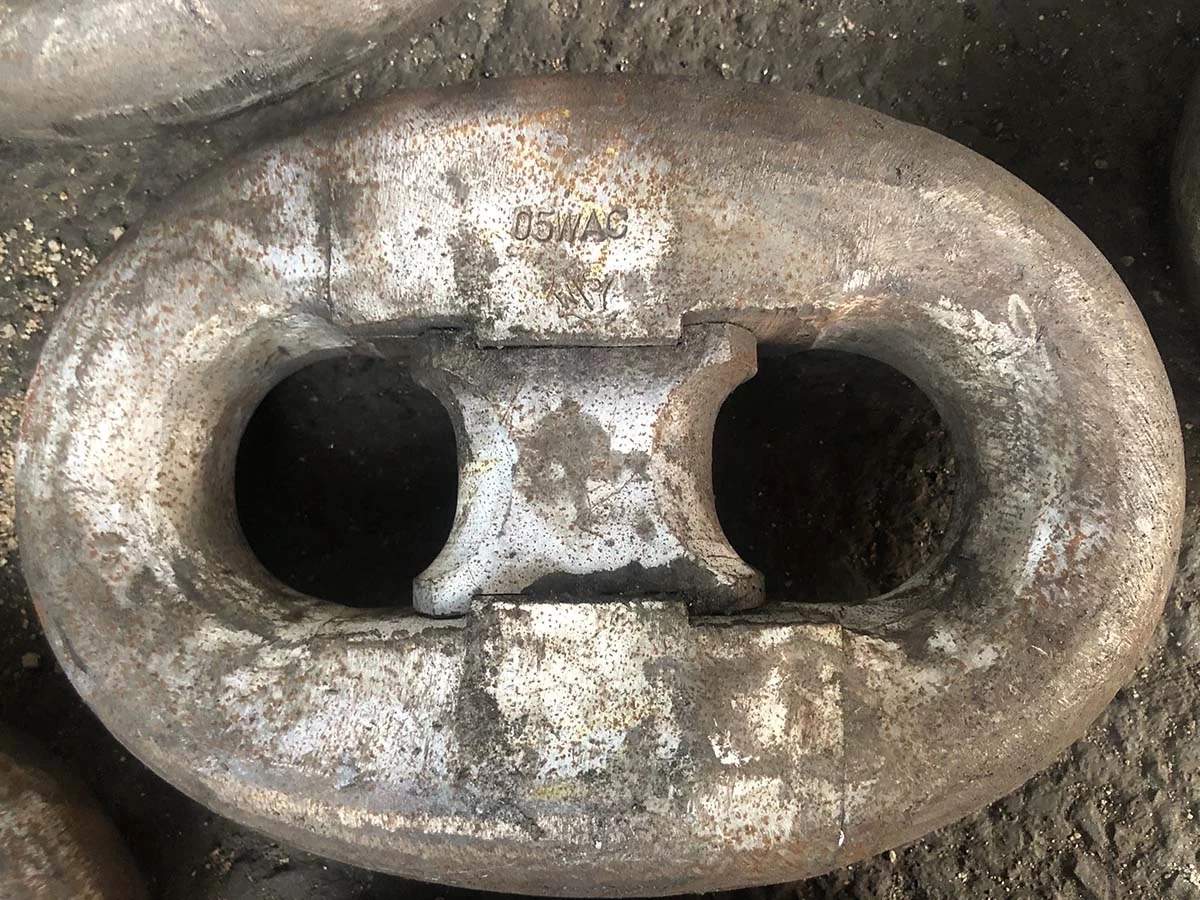
Preparation before installation
Although the design of Kenter shackle makes the installation process relatively simple, preparatory work before installation is essential to ensure its safety and service life. Here are some checks and preparations you should do before installation:
1. Choose a Kenter Shackle of appropriate specifications
First of all, it is very important to choose a Kenter shackle that meets actual needs. Kenter shackle has a variety of specifications to choose from under different loads and working environments. Choosing an inappropriate model may not only fail to withstand the expected load, but may also affect the installation effect. Therefore, before purchasing, be sure to confirm that the required load-bearing capacity is consistent with the specifications of the shackle.
2. Check the integrity of the Kenter Shackle
Before installation, carefully check whether each part of the Kenter shackle is intact. Check whether the lock ring can open and close normally and whether there is wear or rust. Use professional tools to detect its internal structure to ensure that there are no cracks or deformations to avoid potential safety hazards during use.
3. Ensure the compatibility of the connected equipment
Kenter shackle needs to be used with equipment such as slings and wire ropes, so it is very important to ensure that these equipment matches the size and design of the shackle. Especially when performing lifting or heavy operations, all connected parts must fit precisely to ensure that the force is evenly distributed and prevent accidental detachment or instability.
Ensure the safety of the working environment
Whether it is at high altitude, on a ship or on an oil and gas drilling platform, environmental safety during installation is the primary consideration. During the installation process, keeping the work area clean, the equipment intact, and wearing appropriate safety protection equipment can effectively reduce the probability of accidents.
Kenter Shackle Installation Steps
Mastering the correct installation steps is the key to ensuring that the Kenter shackle can be used normally and safely. The following is the installation process of Kenter shackle:
1. Prepare tools and equipment
First, prepare the required tools. Common tools include: wrenches, cranes, lifting equipment, gloves, hammers, etc. According to different working environments and lifting requirements, choose suitable tools to ensure smooth operation.
2. Open the locking ring
The installation process of the Kenter shackle is relatively simple. First, you need to use a wrench or special tool to easily open the locking ring. Due to the design characteristics of the Kenter shackle, the locking ring is relatively tight and requires a certain amount of force to open, but avoid excessive force to avoid damaging its structure.
3. Insert the connecting parts into the shackle
Insert the two ends of the equipment to be connected (such as wire rope, chain or other rigging) into the main frame of the shackle. At this time, make sure that the inserted parts are completely connected and there is no deviation. If you are connecting a chain or wire rope, make sure there is no excessive stretching or relaxation.
4. Re-lock the locking ring
When all the connecting parts are inserted and fixed, close the locking ring to its original position. Make sure that the locking ring is closed firmly and there is no sign of looseness. Use a hammer to gently tap the locking ring to ensure that it is fully tightened and will not loosen due to vibration or load.
5. Check the stability of the connection
After installation, be sure to check the stability of each connection point. In particular, the closure of the locking ring should be ensured to be fully tightened and there is no risk of falling off. In addition, check whether the shackle body is firm, whether the connected wire rope or chain is loose or abnormal, and ensure that all parts are intact.
6. Load test
After installation, be sure to perform a load test. Before loading, gradually increase the weight and observe the performance of the shackle and the connected equipment to ensure that they can withstand the load in actual work. Only after ensuring that the connection is stable can it be officially put into use.
Maintenance and care: Extend the service life of Kenter Shackle
Even if the Kenter shackle is designed to be sturdy and durable, regular maintenance and care cannot be ignored. Through proper maintenance, its service life can be extended and safety at work can be improved.
1. Regular inspection
Regular inspection of Kenter shackle is an important means to ensure its long-term and reliable operation. Check whether the lock ring, main frame, connecting parts, etc. are worn, cracked or rusted. Especially after high-load use, check whether it has signs of deformation or failure.
2. Cleaning and lubrication
After each use, clean the dirt, dust and other debris on the surface of the Kenter shackle to avoid accumulation that affects normal function. Lubricating the locking ring and the connection parts can reduce wear and friction and maintain its flexibility and firmness.
3. Rust prevention treatment
For Kenter shackles that are stored for a long time, especially in humid or corrosive environments, rust prevention treatment should be carried out regularly. Use anti-rust oil to apply on its surface to keep its metal parts in good condition and avoid rust.
4. Storage conditions
When not in use, store the Kenter shackle in a dry and ventilated environment to avoid erosion by moisture or corrosive gases. When storing, it is best to place it in a shock-proof and moisture-proof environment to ensure that it is not affected by external factors.
Resumen
Kenter shackle is an efficient lifting connection tool, which is widely used and important in a variety of industrial environments. Through correct installation steps and regular inspection and maintenance, it can ensure its safety and efficiency in heavy-duty operations. I hope that the installation guide provided in this article can help you better understand and use Kenter shackle and ensure the smooth progress of every work. By properly installing and maintaining the Kenter shackle, you can not only improve work efficiency, but also minimize safety risks and ensure the safety of equipment and personnel.
Productos relacionados


 Spanish
 English
 Chinese
 Arabic
 Japanese
 Korean
 Russian
 Portuguese